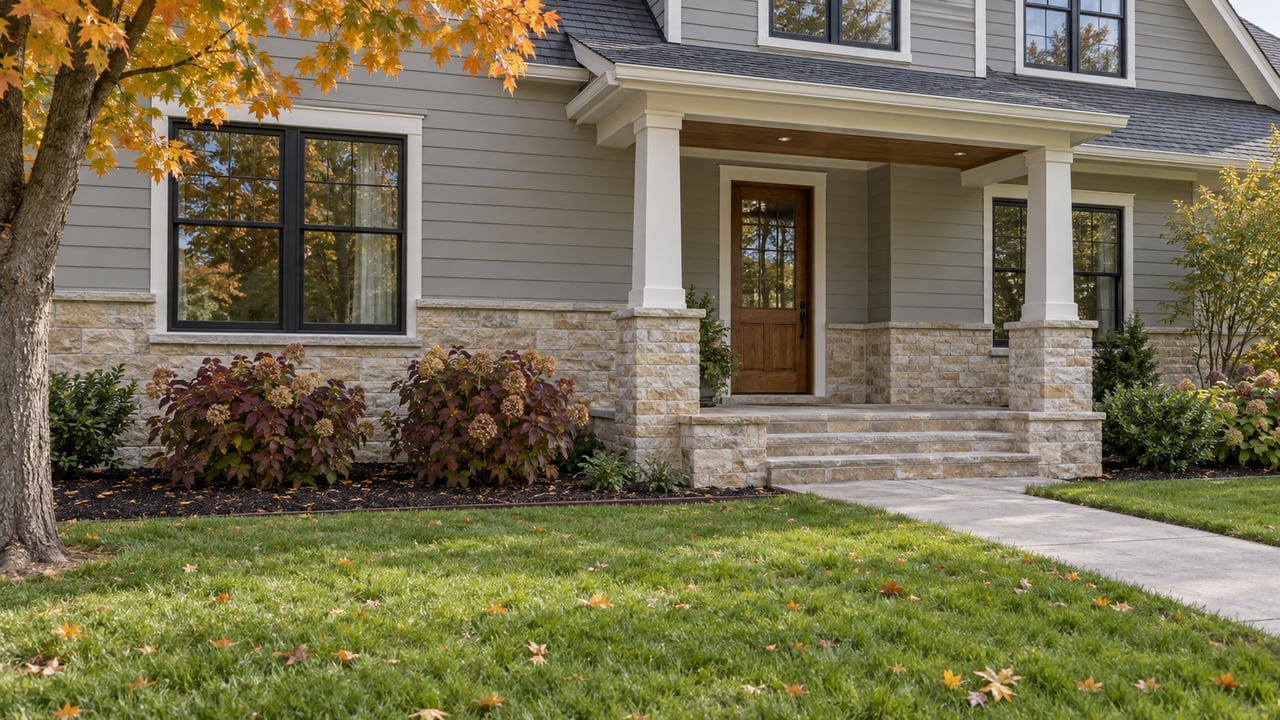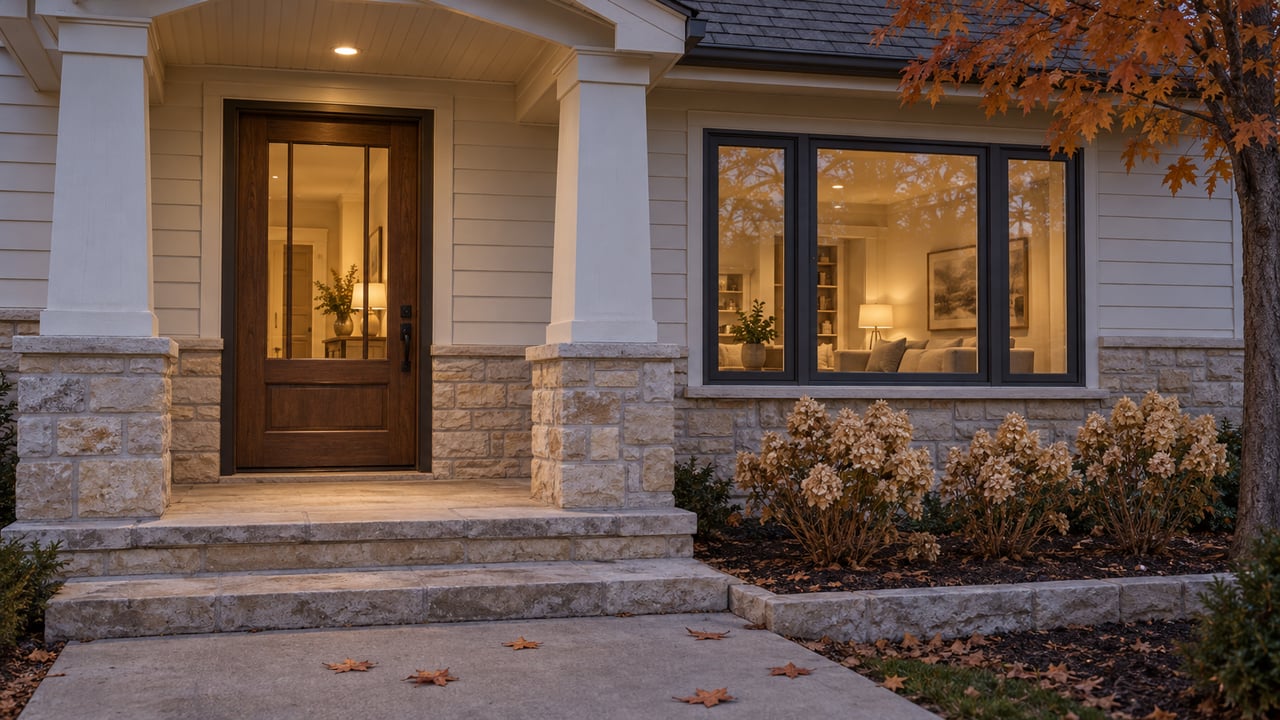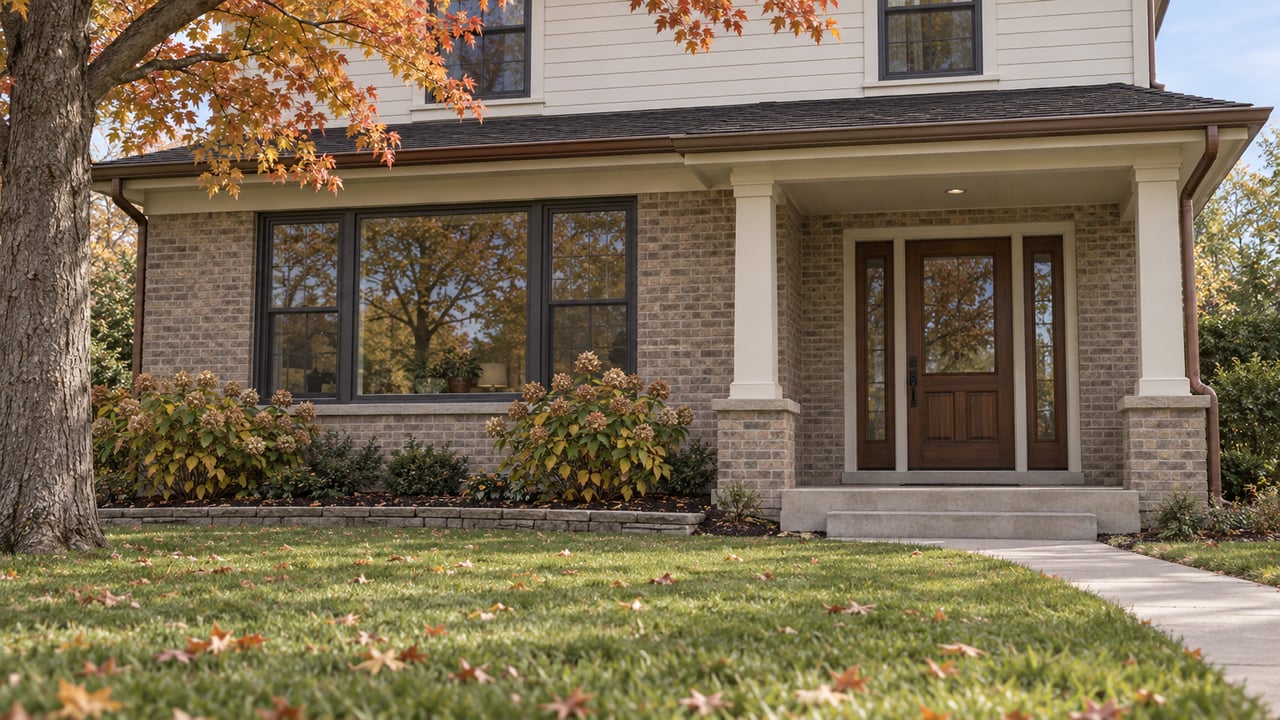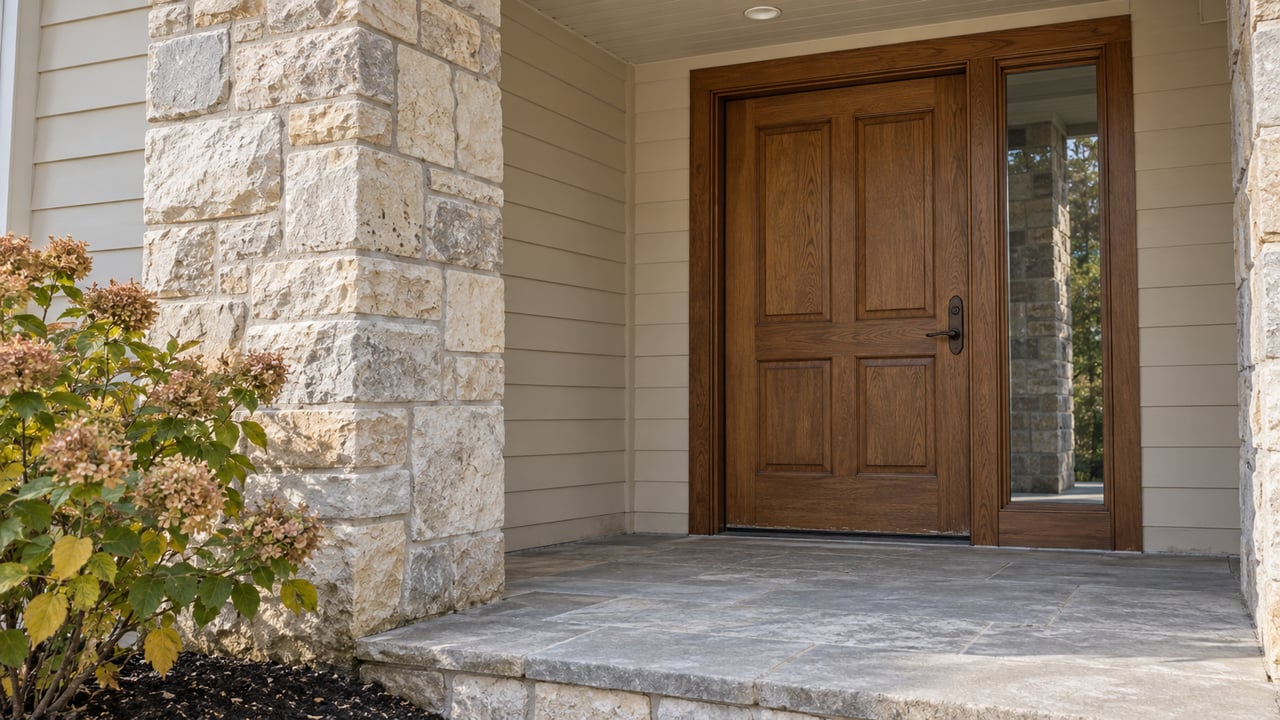
Wondering whether a historic home in Cedarburg is a dream find or a bigger commitment than you want to take on? If you love original character, masonry details, and homes with a real sense of place, Cedarburg can offer something hard to replicate in newer construction. The key is knowing that when you buy a historic home here, you are not just buying charm. You are also taking on maintenance choices, local review rules, and renovation planning that can affect your budget and timeline. Let’s dive in.
Why Cedarburg historic homes stand out
Cedarburg has a strong preservation identity. The city says it has more than 200 historic buildings, eight National Register listings, and historic resources that include the Washington Avenue, Columbia, and Hamilton districts.
That means your options may include homes shaped by 19th- and early-20th-century building patterns rather than one consistent look. In Cedarburg, historic housing often reflects stone, brick, and vernacular construction, with visible use of locally quarried limestone, fieldstone, Niagara limestone, and cream-colored brick.
Historic character is more than curb appeal
In Cedarburg, historic character is part of a formal municipal framework. The city uses a local landmark system and historic districts, so preservation is not just a marketing label or a style preference.
For you as a buyer, that matters because the home’s original materials and visual character may carry added importance when you plan repairs or updates. In simple terms, you are buying both the home and a level of stewardship that comes with it.
What you are really buying
A historic home in Cedarburg may offer details that are difficult to find in newer properties. You might see original masonry, older windows, established proportions, and architectural features that reflect the city’s early development.
At the same time, older homes usually ask more of you than a newer build. Square footage and cosmetic finishes matter, but so do repair methods, approval requirements, and how past renovations were handled.
Expect tradeoffs with original materials
Historic homes often reward buyers who appreciate repair over full replacement. Guidance for historic properties emphasizes keeping existing form, features, and materials when possible.
That does not mean every old feature must stay untouched. It means that if a component is deteriorated, the first question is often whether it can be repaired appropriately before jumping to replacement.
Inspection priorities for Cedarburg buyers
If you are considering a historic home in Cedarburg, your due diligence should focus on the areas where preservation and building performance meet. This is where smart buyers can avoid surprises after closing.
A general home inspection is still important, but older homes often benefit from extra attention to materials and systems that may affect both cost and future project planning.
Masonry deserves a close look
Because so many Cedarburg historic properties feature stone or brick, masonry should be high on your list. Historic guidance recommends repointing with mortar that matches the historic mortar in strength, composition, color, and texture.
That matters because the wrong mortar or aggressive cleaning methods can damage masonry units or joints. If a home has visible cracking, failing joints, patchwork repairs, or signs of moisture issues, those details deserve careful review before you finalize your budget.
Windows can be a major decision point
Historic windows are often one of the biggest questions buyers face. Guidance for historic properties says deteriorated historic features should be repaired rather than replaced when feasible, and if replacement is necessary, the new work should match the original design and visual qualities.
For you, that means window costs are not always as simple as swapping in standard products. If the home is subject to local historic review, your options may be shaped by compatibility requirements.
Watch roof details and exterior changes
Roof-related exterior details can affect both weather protection and historic character. If a prior owner made changes to roofing materials, trim, or exterior features, it is worth asking whether that work was reviewed and approved if required.
Even small exterior details can have larger implications in a preservation-focused area. A home that looks updated may still need follow-up review or corrective work depending on what was changed and where it is located.
Check mechanical systems and renovation history
Older homes can have updated plumbing, electrical, HVAC, or gas systems, but you should confirm what was done and whether permits were pulled where required. Cedarburg requires the usual permits for building, heating, ventilation, air conditioning, plumbing, electrical, and gas work.
If a remodel looks newer than the rest of the home, ask questions. Well-documented improvements can be a real plus, while undocumented work may create added cost, delay, or uncertainty later.
Lead-based paint is a real planning issue
If the home was built before 1978, lead-based paint is a practical issue to consider. The EPA says older homes are more likely to contain lead-based paint, and renovation, repair, and painting work can create lead dust that requires lead-safe work practices.
That does not mean you should avoid an older home. It means you should budget and plan carefully if you expect to disturb painted surfaces during renovations.
Cedarburg rules that can affect your plans
One of the biggest differences between buying a historic home and buying a typical resale home is that local review rules can affect what you can change and how quickly you can do it.
In Cedarburg, the Landmarks Commission can regulate design, construction, repair, maintenance, reconstruction, alteration, and demolition of designated resources through certificates of appropriateness.
Know whether the home is locally regulated
This is one of the first things to verify before you write an offer or finalize your inspection period. A property may be a local landmark, located in the Historic Preservation Overlay District, part of a historic district, or associated with a National Register listing.
Those categories do not all work the same way. A useful distinction is that National Register listing alone does not create federal restrictions for a private owner, while Cedarburg’s local ordinances can create review requirements that directly affect your project plans.
Exterior work may need approval first
In Cedarburg’s Historic Preservation Overlay District, work such as construction, repair, maintenance, alteration, demolition, design, remodeling, reconstruction, painting or color changes, and roofing type or color changes requires approval and a certificate of appropriateness before the work proceeds.
That is a broad list, and it can surprise buyers who assume only major additions trigger review. If your vision includes repainting, changing roofing materials, replacing windows, or reworking exterior features, confirm the process early.
Approval can affect your timeline
The city says the process can involve Landmarks Commission review, Plan Commission review, and then a building permit. The city also says the Landmarks Commission generally makes its determination within 60 days of a completed application.
If you hope to close and begin work right away, that timeline matters. It can shape move-in plans, contractor scheduling, and how you negotiate your purchase strategy.
Compatibility matters, even off the street
Some buyers assume rear or less-visible additions have fewer constraints. Cedarburg’s code says additions or exterior alterations that are not visible from the street may still be approved only if their scale, materials, texture, color, and architectural details are compatible with the existing building.
That makes planning especially important if you are thinking about expanding the home, changing exterior finishes, or modernizing a prominent feature. Early clarity can save time and frustration later.
Financial questions to answer early
Historic homes can have real financial opportunities, but only if you understand the rules before the work begins. In Cedarburg, that often means looking at potential eligibility, approval timing, and the scope of your intended improvements.
For many buyers, these questions belong in the home search stage, not after closing.
Wisconsin’s homeowner historic tax credit
Wisconsin offers a Homeowner Historic Tax Credit that returns 25 percent of approved rehabilitation expenses for eligible historic homes. The work must be approved before it begins.
To qualify, the home must already be listed in the National or State Register, contribute to a listed historic district, or be determined eligible through the program. Eligible work can include exterior work, window sash work, structural elements, HVAC, and electrical or plumbing systems.
Understand what the credit does not cover
The state credit is an income-tax credit, not a property-tax reduction. It also does not cover site work such as driveways or landscaping.
Homeowners generally must spend between $10,000 and $40,000 in eligible work within two years, though a five-year phased plan may be available if requested at the start. If you are counting on the credit, timing and approval steps are not details to sort out later.
Local preservation support signals an active market
Cedarburg’s historic-properties information also points owners to preservation-related financial resources, including state tax credits, federal tax credits, a city façade improvement program, and a city loan fund. That suggests preservation-oriented rehabilitation is an active and recurring part of the local market.
For buyers, that is helpful context. It tells you that restoring and updating historic properties is common here, but it also reinforces the value of planning with a clear scope and realistic timeline.
A practical checklist before you buy
If you are serious about a historic home in Cedarburg, try to answer these questions before you remove contingencies:
- Is the property a local landmark, in the Historic Preservation Overlay District, or part of a listed historic district?
- Which exterior changes will require a certificate of appropriateness?
- Are there visible masonry, window, roof, or exterior repair issues to budget for now?
- Was any recent renovation work properly reviewed and permitted where required?
- Is the home likely to qualify for Wisconsin’s homeowner historic tax credit?
- Will your renovation plan require pre-approval before work begins?
- Could your project benefit from a phased approach instead of one large renovation?
The bottom line on buying historic in Cedarburg
Buying a historic home in Cedarburg can be deeply rewarding if you value craftsmanship, original materials, and a strong sense of place. But the smartest buyers go in with clear eyes about maintenance, approvals, and timing.
In this market, you are not just comparing finishes and floor plans. You are weighing character plus stewardship, and the right purchase often comes down to how well the home’s condition, rules, and long-term plans fit your goals.
If you are weighing a historic home purchase in Cedarburg and want practical guidance on value, condition concerns, and renovation-minded strategy, reach out to Realty Officials Inc. for local insight backed by construction-aware real estate experience.
FAQs
What makes a Cedarburg home historic?
- In Cedarburg, a historic home may be part of a local historic district, a local landmark, in the Historic Preservation Overlay District, or associated with a property listed in or contributing to the State or National Register context.
What should buyers inspect first in a Cedarburg historic home?
- Buyers should pay close attention to masonry, windows, roof-related exterior details, mechanical systems, and signs of renovation work that may have needed review or permits.
Do Cedarburg historic homes require approval for exterior changes?
- Yes, properties subject to Cedarburg historic review may need a certificate of appropriateness for exterior work, including some repairs, remodeling, painting or color changes, and roofing type or color changes.
Does National Register status restrict a private homeowner in Cedarburg?
- National Register listing alone does not impose federal restrictions on a private owner, but Cedarburg local ordinances can create review requirements.
Can buyers get a tax credit for restoring a historic home in Wisconsin?
- Wisconsin’s Homeowner Historic Tax Credit may return 25 percent of approved rehabilitation expenses for eligible homes, but the work must be approved before it starts and program rules apply.
Are replacement windows always allowed in a Cedarburg historic home?
- Not necessarily. Historic guidance favors repairing deteriorated historic windows when feasible, and if replacement is needed, the replacement should match the original design and visual qualities.