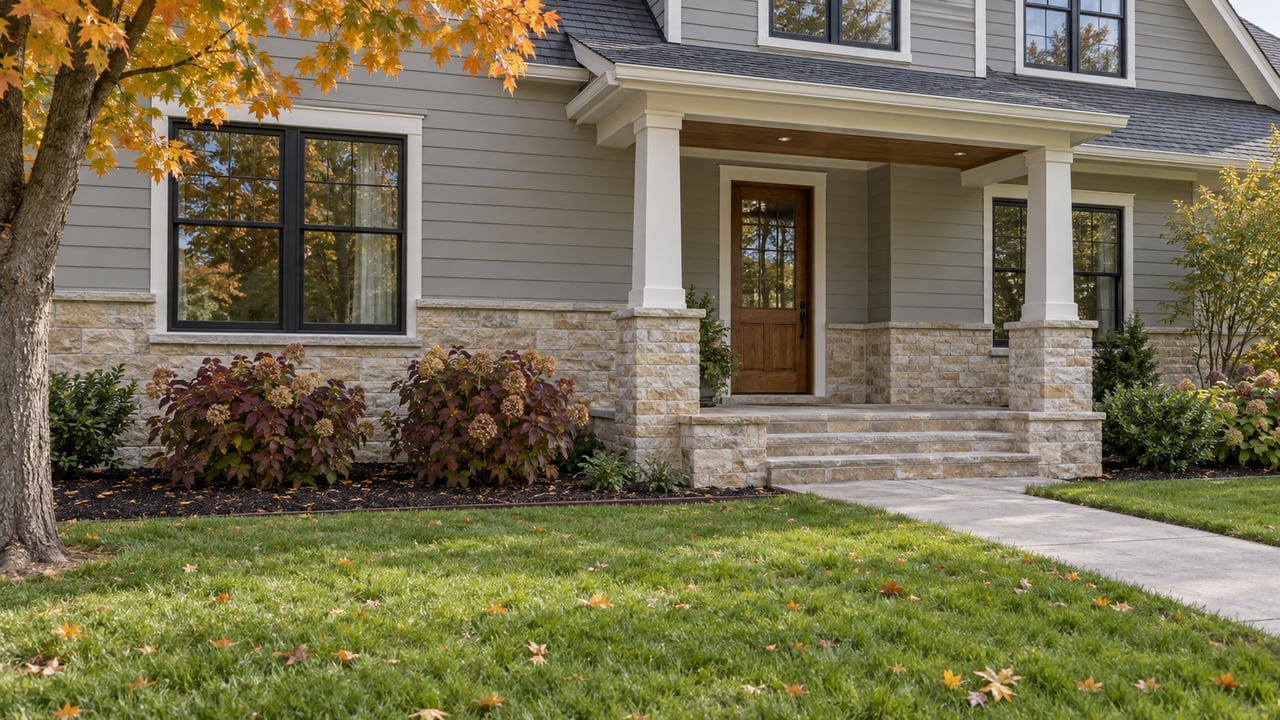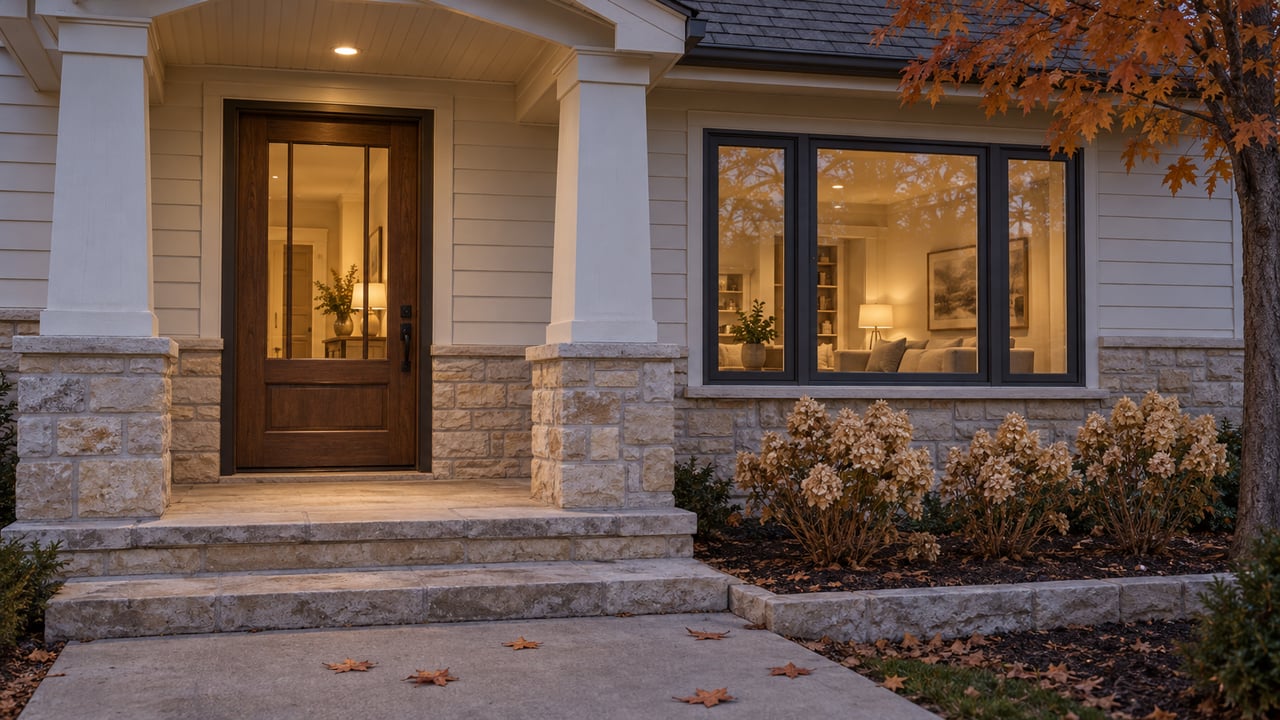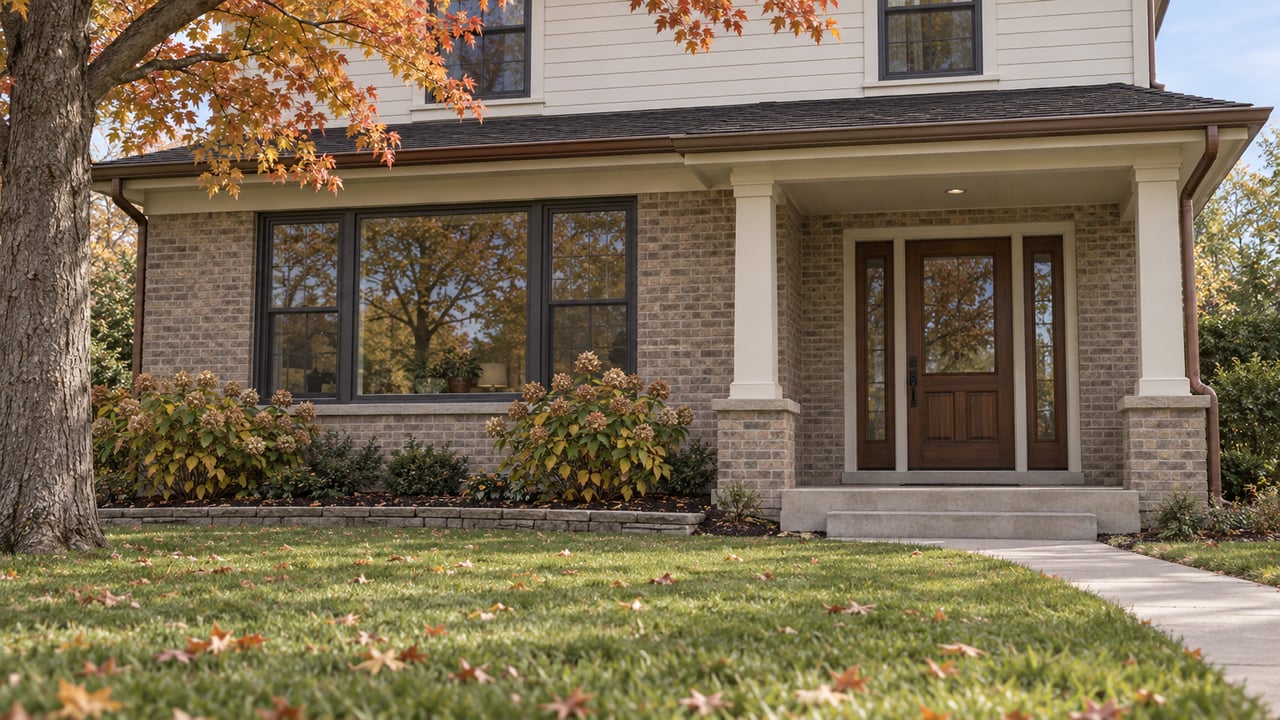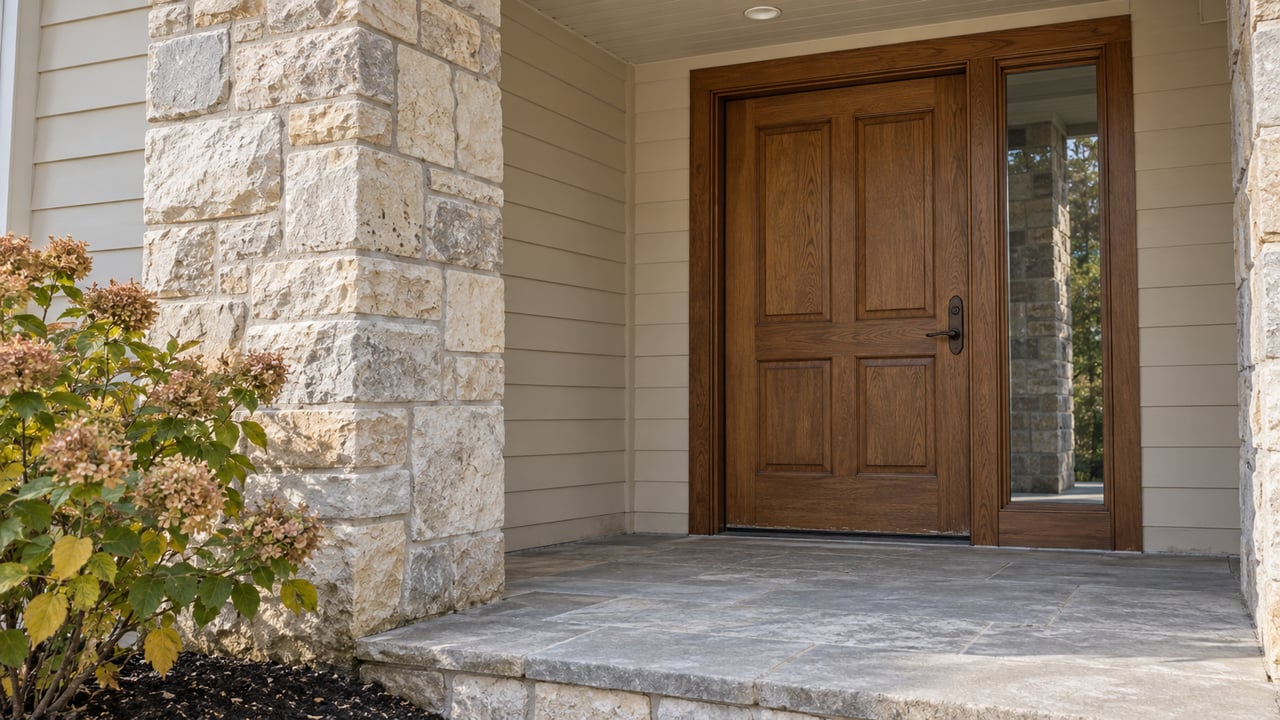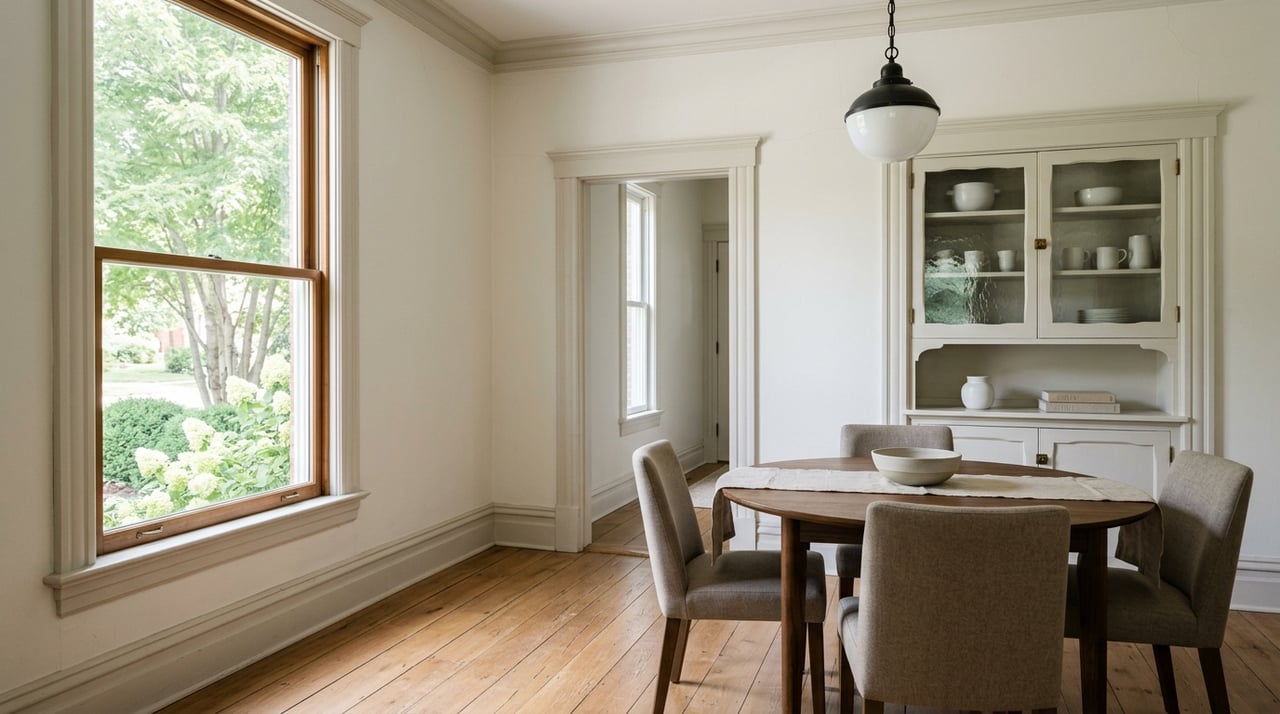
If you own a character home in Cedarburg, you already know its appeal is not the same as a newer, more standardized property. Original windows, detailed trim, old masonry, built-ins, porches, and well-worn floors can create an emotional pull that buyers remember. The challenge is getting your home market-ready without stripping away the very features that make it special. This guide will help you prepare, protect, and present your Cedarburg home in a way that respects its history and supports a strong sale. Let’s dive in.
Why Cedarburg Character Matters
Cedarburg has a strong preservation identity, and that matters when you list an older home. The city recognizes historic preservation as part of community development, and its history includes more than 200 buildings of historical significance along with eight National Register listings.
That context shapes buyer expectations. In a place where older homes are part of the local identity, charm is not a side note. It is often a major part of the value story.
The housing stock also supports that reality. A Cedarburg housing report says 57.3% of housing units were built before 1980, and 15.5% were built in 1939 or earlier. Census QuickFacts reports a 2020 to 2024 median owner-occupied home value of $422,000.
Understand the Market Before You Update
Even in an active market, presentation still matters. The Wisconsin REALTORS Association’s January 2026 Ozaukee County report showed a median sale price of $525,000 and 2.8 months of inventory.
That means buyers may still move quickly, but they are not ignoring condition. If your home has character, your goal is not to make it look brand new. Your goal is to help buyers see a well-cared-for home with original features intact and visible issues addressed.
Preserve First, Modernize Second
The best strategy for most Cedarburg character homes is rehabilitation, not over-renovation. Preservation guidance used by Cedarburg is consistent with the Secretary of the Interior’s standards, which focus on keeping a property usable while changing as little as possible about the materials, features, spaces, and relationships that define it.
In simple terms, you want to improve function without erasing identity. Buyers interested in an older Cedarburg home are often responding to craftsmanship and authenticity. If you remove too much, you can weaken the very impression that sets your listing apart.
Features Worth Protecting
Before you make a pre-listing plan, identify the details that give your home its character. These often include:
- Original wood windows
- Interior and exterior trim
- Historic masonry
- Hardwood floors
- Built-ins
- Stair details
- Fireplaces
- Porches
- Original room proportions and sightlines
These features can become the visual anchors of your listing. They also help buyers understand why the home feels different from newer options.
Be Careful With Windows
Original windows are often one of the first things sellers consider replacing. But preservation guidance says windows should usually be repaired and retained when possible, with replacement in kind only when repair is no longer practical.
If your windows are functional or can be made functional, repair may be the smarter path. Well-maintained original windows can support the home’s appearance far better than an ill-matched replacement.
Treat Masonry and Woodwork Gently
Historic masonry needs compatible repointing. Improper repointing can damage the masonry units themselves, which means a quick cosmetic fix can create a much larger problem.
Exterior woodwork also deserves caution. Harsh paint removal methods can permanently damage historic surfaces, so the gentlest possible approach is preferred when paint removal is truly necessary.
Do Not Ignore the Roof
Roof issues can quietly hurt your sale in two ways. First, they raise buyer concerns about maintenance. Second, roof failures can accelerate damage to wood, masonry, plaster, and paint.
If your home needs roof repair, handle it with attention to the roof’s historic materials and appearance. This is one of those practical fixes that protects both marketability and the house itself.
Check Cedarburg Review Rules Early
Before you schedule exterior work, find out whether your home is subject to local historic review. If a home is within Cedarburg’s Washington Avenue Historic Preservation District, exterior or site changes go through Landmarks Commission and Plan Commission review before permits are issued.
This is a key point for sellers. Local district rules can affect timing, scope, and approval of planned work, and that review is separate from National Register status.
Local District Rules Matter More Than Register Status
Many homeowners hear “historic” and assume National Register listing controls everything. In practice, for most private Cedarburg owners, local district status is the bigger issue.
The National Register does not place federal restrictions on a private owner unless a federal project, license, or funding source is involved. So if you are planning pre-listing improvements, your first question should be whether the home is locally regulated.
Your Pre-Listing Paperwork Checklist
Before your home hits the market, gather the information that helps avoid delays and buyer questions:
- Confirm whether the property is in a locally regulated historic district
- Collect permit records if available
- Organize repair and maintenance history
- Pause exterior changes until you know if city review is required
- Build lead-safe planning into any work that may disturb painted surfaces in a pre-1978 home
This kind of prep creates confidence. It also helps your agent market the home with clarity and fewer surprises.
Plan Repairs With Lead Safety in Mind
Because many Cedarburg homes are older, lead paint should be treated as a real possibility. The EPA says homes built before 1978 may contain lead-based paint.
If repairs, sanding, or painting will disturb painted surfaces, use lead-safe certified professionals. This is not just a technical detail. It is part of responsible pre-listing planning for an older home.
Stage the Home Without Erasing Its Soul
Staging does not mean remodeling your home into something generic. NAR defines staging as decluttering and styling, not remodeling.
That is good news for owners of character homes. You do not need to hide the age of the house. You need to help buyers see how they could live in it.
What Staging Can Do
According to NAR’s 2025 Profile of Home Staging, 83% of buyers’ agents said staging makes it easier for buyers to visualize a property as their future home. The report also found that the living room, primary bedroom, and kitchen were the most important rooms to stage.
Sellers also have practical reasons to stage. NAR reported that 19% of sellers’ agents saw offers that were 1% to 5% higher, while 30% saw slight reductions in time on market.
Best Staging Choices for Older Cedarburg Homes
For a character home, staging should make the architecture easier to notice, not harder. Focus on:
- Clean, neutral paint colors where touch-ups are needed
- Less bulky furniture that shows room scale
- Clear surfaces in kitchens and baths
- Packed-away personal items
- A tidy, welcoming entry
- Open sightlines to fireplaces, built-ins, trim, and windows
Avoid overly bold decor that competes with original features. If the woodwork, floors, or masonry already add texture and personality, let them lead.
Use Photography to Highlight Original Details
Strong photography is essential for any listing, but it matters even more with an older home. Buyers often decide whether a character property feels special within seconds of seeing the photos.
Your photo strategy should show both beauty and readability. Rooms should feel bright, true to life, and easy to understand.
What Buyers Should See in Photos
For a Cedarburg character home, the most important images usually highlight:
- Windows and natural light
- Trim and millwork
- Masonry details
- Hardwood floors
- Staircases and railings
- Fireplaces
- Built-ins
- Porches and exterior craftsmanship
Give each standout feature enough visual space. If every room is packed with furniture or decor, buyers may miss the scale and details that make the house memorable.
Fix the Right Things Before Listing
Not every project adds value, and not every older-home issue should become a major renovation. In most cases, the better approach is to fix visible defects, preserve character-defining features, and present the home in a clean, neutral, well-maintained way.
That is where practical pre-listing advice makes a difference. A measured plan can help you avoid overspending on the wrong updates while still addressing the issues buyers notice first.
Prioritize These Updates
If you are deciding where to spend time and money, start here:
- Resolve obvious maintenance issues
- Address roof or water-related concerns
- Repair rather than replace historic elements when feasible
- Improve paint, cleanliness, and lighting
- Stage key rooms to help buyers visualize daily life
- Prepare documentation for repairs, permits, and district review if needed
This approach protects the home’s story while helping buyers feel comfortable with its condition.
Why Local Guidance Helps
Selling a Cedarburg character home often involves more moving parts than selling a newer property. You may need to think through district rules, repair sequencing, staging choices, and how to present age as an asset rather than a concern.
That is why local, construction-informed guidance can be especially valuable. When you have a plan for repairs, approvals, and presentation, you are far more likely to protect the charm buyers want and the value you hope to capture.
If you are thinking about listing a character home in Cedarburg, Realty Officials Inc. can help you evaluate what to fix, what to preserve, and how to present your home for today’s market.
FAQs
How should you prepare a historic-style home for sale in Cedarburg?
- Start by identifying original features worth preserving, confirm whether local historic review applies, fix visible defects, and stage the home in a clean, neutral way that highlights character.
What exterior changes may need approval in Cedarburg’s Washington Avenue Historic Preservation District?
- In that district, exterior or site changes go through Landmarks Commission and Plan Commission review before permits are issued, so you should verify requirements before starting work.
Should you replace original windows before listing a Cedarburg character home?
- Usually, original windows are worth repairing and retaining when possible, with replacement in kind considered when repair is no longer practical.
What rooms matter most when staging an older home for sale?
- NAR reports that the living room, primary bedroom, and kitchen are the most important rooms to stage.
Why does lead-safe planning matter when listing an older Cedarburg home?
- Homes built before 1978 may contain lead-based paint, so if pre-listing work will disturb painted surfaces, lead-safe certified professionals are the safest choice.