Chapter 709 of the Wisconsin Statutes states: "IT IS NOT A WARRANTY OF ANY KIND BY THE OWNER OR ANY AGENTS REPRESENTING ANY PARTY IN THIS TRANSACTION AND IS NOT A SUBSTITUTE FOR ANY INSPECTIONS OR WARRANTIES THAT THE PARTIES MAY WISH TO OBTAIN."
That sentence sits near the top of every Wisconsin Real Estate Condition Report, the four-page disclosure form every residential seller in the state has to hand over. It reads like boilerplate. It is actually the most important sentence on the page, because it tells you what the form is not. It is not an inspection. It is not a guarantee. It is a record of what the current owner happens to know, and nothing more.
That distinction matters everywhere in Wisconsin. It matters more in Port Washington than in most places, because the city is selling two genuinely different kinds of houses under one identical form, and this October a new line gets added to that form that will finally start to tell them apart.
Two different houses, one identical form
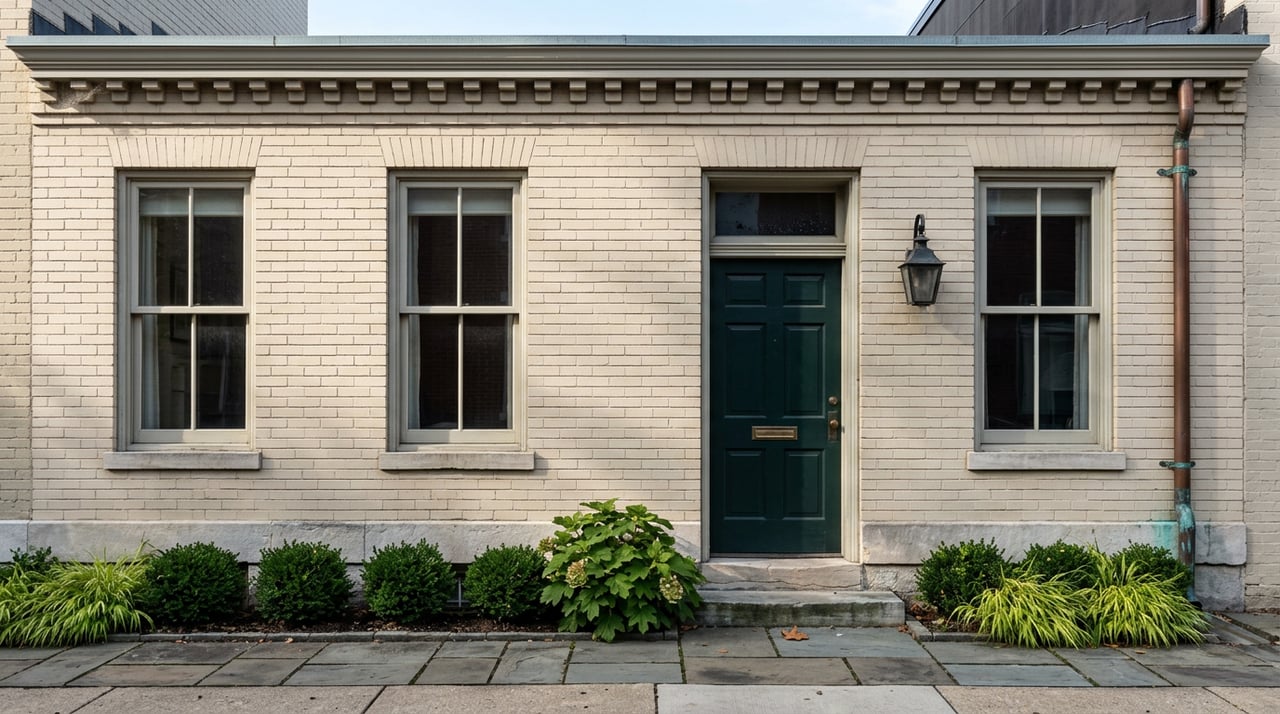
Downtown Port Washington's National Register historic district covers the 100, 200, and 300 blocks of North Franklin Street along with a handful of buildings on Main and Pier, 47 structures in total, most of them Cream City brick and built between the 1850s and the 1950s. The city has more pre-Civil War buildings than any other municipality in Wisconsin. Walk two blocks off Franklin onto Wisconsin or Van Buren Street and you are still standing on that same brick-and-stone housing stock.
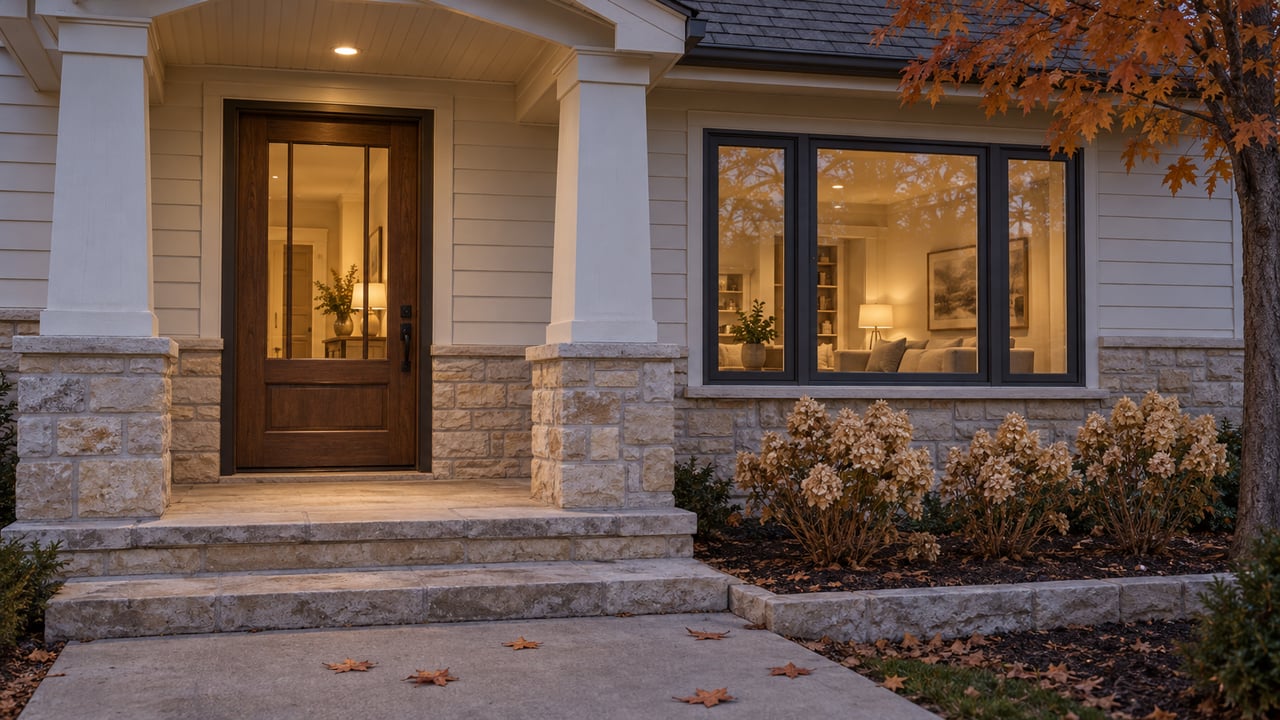
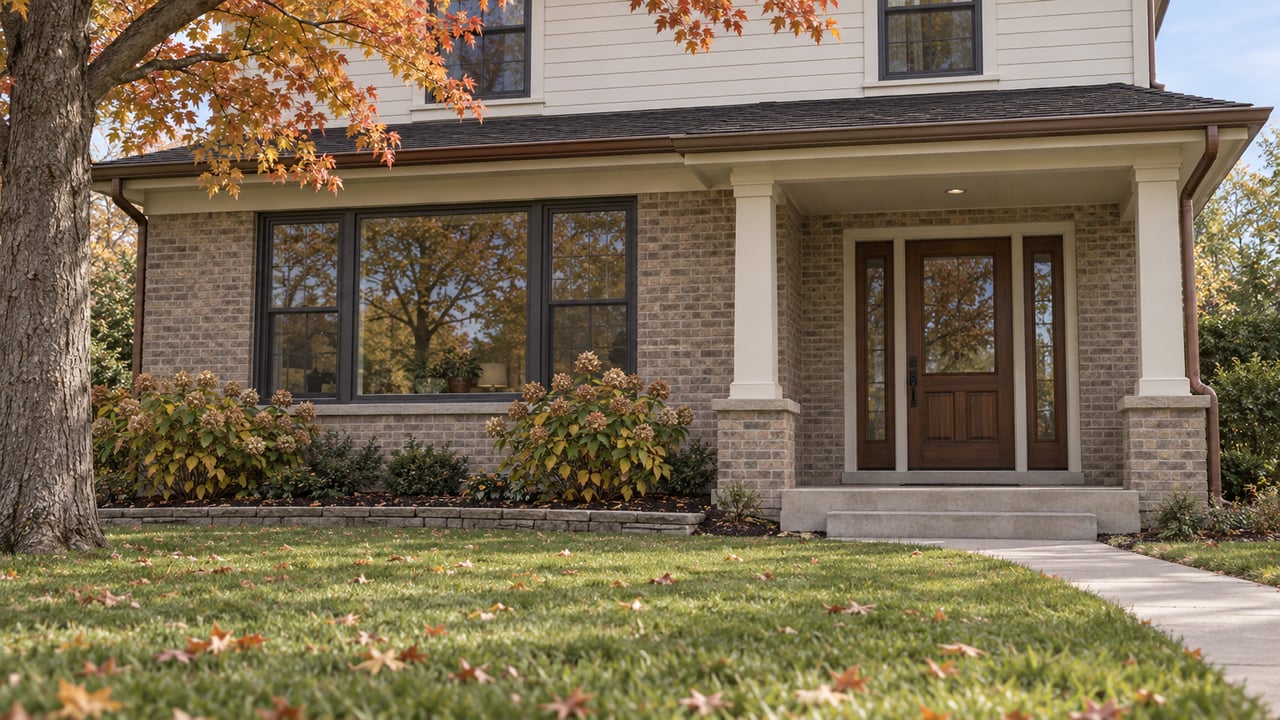
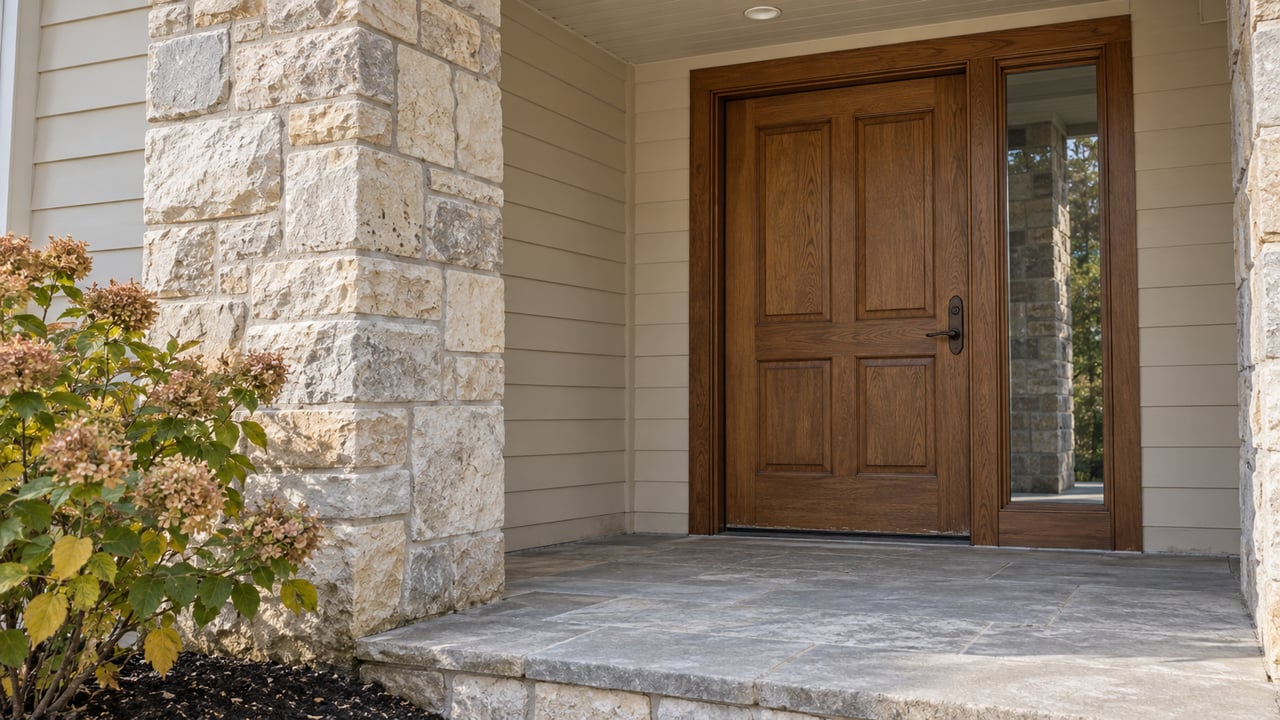
Now drive south. Past the mid-century ranches that fill in the neighborhoods west of Highway 32, past the newer subdivisions south of Highway LL, you land in places like Prairie's Edge, Lange Estates, Misty Ridge, and Hidden Hills Villas, communities that did not exist when Franklin Street's buildings were already a century old.
A buyer looking at a listing on Van Buren Street and a buyer looking at a listing in Prairie's Edge will both receive the exact same Real Estate Condition Report. Same categories, same yes-or-no boxes, same disclaimer at the top. The form makes no distinction for age. The risk absolutely does.
What "known defect" actually means
The RECR requires sellers to disclose defects. That standard sounds broad until you consider what it leaves out: a problem may be sitting in the walls without the seller having experienced it.
That gap shows up constantly in Port Washington's older housing stock. Pre-WWII homes near Franklin Street commonly carry electrical panels that were upgraded once, decades ago, but never brought up to modern load demands. A 100-amp service is still doing the work a 200-amp service would now be expected to do. Knob-and-tube wiring, technically retired, still turns up in attic and porch-ceiling work whenever someone opens a wall for a remodel. Homes built between 1965 and 1975 carry their own quieter risk in aluminum branch wiring. None of it necessarily counts as a disclosed defect, because none of it has necessarily failed yet.
The same logic applies underground. Drain laterals on the older downtown streets are frequently clay tile, and clay tile is prone to root intrusion and offset joints as it ages. An inspector cannot see a lateral without a camera scope, which most standard home inspections do not include unless the buyer specifically asks for one.
The bluff has its own paperwork problem
Several of Port Washington's older streets step down toward the harbor along genuine bluff topography, and that terrain drives its own recurring issue: basement seepage and sump discharge routing on homes built into that slope. It is a known enough pattern locally that HVAC and plumbing crews working the area treat it as a standard conversation, not a surprise call.
The city's own engineering notes confirm the underlying infrastructure has been under strain. Port Washington's planning documents describe an upgrade to the Spring Street Sewer Interceptor as necessary because surcharging in the existing line has caused sewage to back up into basements, a capacity problem tied to the age and sizing of infrastructure built long before the current volume of downtown households existed. That is not a hypothetical scenario written into a disclosure form. It is a documented, present-tense reason the city is actively enlarging a sewer line right now.
None of this means an older Port Washington home is a bad buy. It means the RECR's clean row of "no" boxes on a 170-year-old house is a record of the current owner's experience, not a certification of the home's systems.
The line being added to the form this fall
Here is where the paperwork starts to catch up, at least for one side of the divide. On March 27, 2026, Wisconsin enacted 2025 Wisconsin Act 120, a law built around a new municipal financing tool called a neighborhood improvement district. Under the act, a municipality can create one of these districts if petitioned by every property owner inside the proposed boundary, and once approved, the district can impose a special assessment to fund infrastructure tied to residential development within it, things like streets, sewer, or water lines, paid off over time by the properties that benefit.
Act 120 also creates two new lines directly on the state's disclosure forms, one for the standard Real Estate Condition Report and one for the vacant land version, specifically to flag whether a property sits inside a neighborhood improvement district carrying this kind of special assessment. Under the act's own effective-date language, that requirement first applies to any report furnished starting October 1, 2026, which is the first day of the seventh month after the law's publication.
That is a genuinely new category of disclosure risk, and it points almost entirely in one direction. Brick buildings on Franklin and Van Buren Streets had their infrastructure built and paid for a century ago. It is the newer residential communities, the ones still laying pipe and paving roads, where a special assessment financing structure like this actually has somewhere to attach. The state's own paperwork will now flag this kind of special assessment, a disclosure likely to matter most in newer residential communities.
What to ask, depending on which house you're looking at
| If you're buying near Franklin Street or Van Buren Street | If you're buying in a newer subdivision like Prairie's Edge, Lange Estates, or Misty Ridge |
|---|---|
| Ask for the panel's amperage and when it was last upgraded, not just whether it "works." | Ask directly whether the property sits inside a neighborhood improvement district and what the special assessment obligation would be if it does. |
| Request a sewer lateral camera scope. Most standard inspections do not include one. | Confirm whether infrastructure like streets and utilities is already fully built and dedicated, or still being phased in. |
| Ask whether the basement has ever had sump discharge or drain tile work done, and ask to see any related paperwork the current owner has. | Review the builder's warranty terms separately from the disclosure form. The RECR is not a substitute for either. |
A few questions worth settling before you write an offer
Does the October 1 disclosure change apply to a sale that's already under contract? Based on the act's language, the new form requirement first applies to reports furnished on or after that date, so timing depends on when the seller actually delivers the report, not when the offer was written.
Does this mean older homes are the riskier buy? Not inherently. It means the risk profile is different and less likely to show up as a checked box. A camera scope on the lateral and a straight answer about panel amperage will tell you more than the RECR ever will.
What should I have my inspector focus on for a home on Franklin Street or Van Buren Street specifically? Panel capacity and grounding, evidence of knob-and-tube in attic or porch spaces, and a sewer lateral scope.
A disclosure form is a starting point, not a finish line, on either side of Port Washington's age divide. If you are weighing a Franklin Street brick building against a newer build near Highway LL and want a read on what each one is really likely to need before closing, The Cottrell Team has walked both kinds of transactions in this market and can help you ask the right questions before you're under contract, not after.
This article is general information, not legal, tax or financial advice. Consult a qualified professional about your situation.